Just about everyone is bound to have their private assumption about Why Are My Faucets Dripping (And Can I Fix It Myself)?.
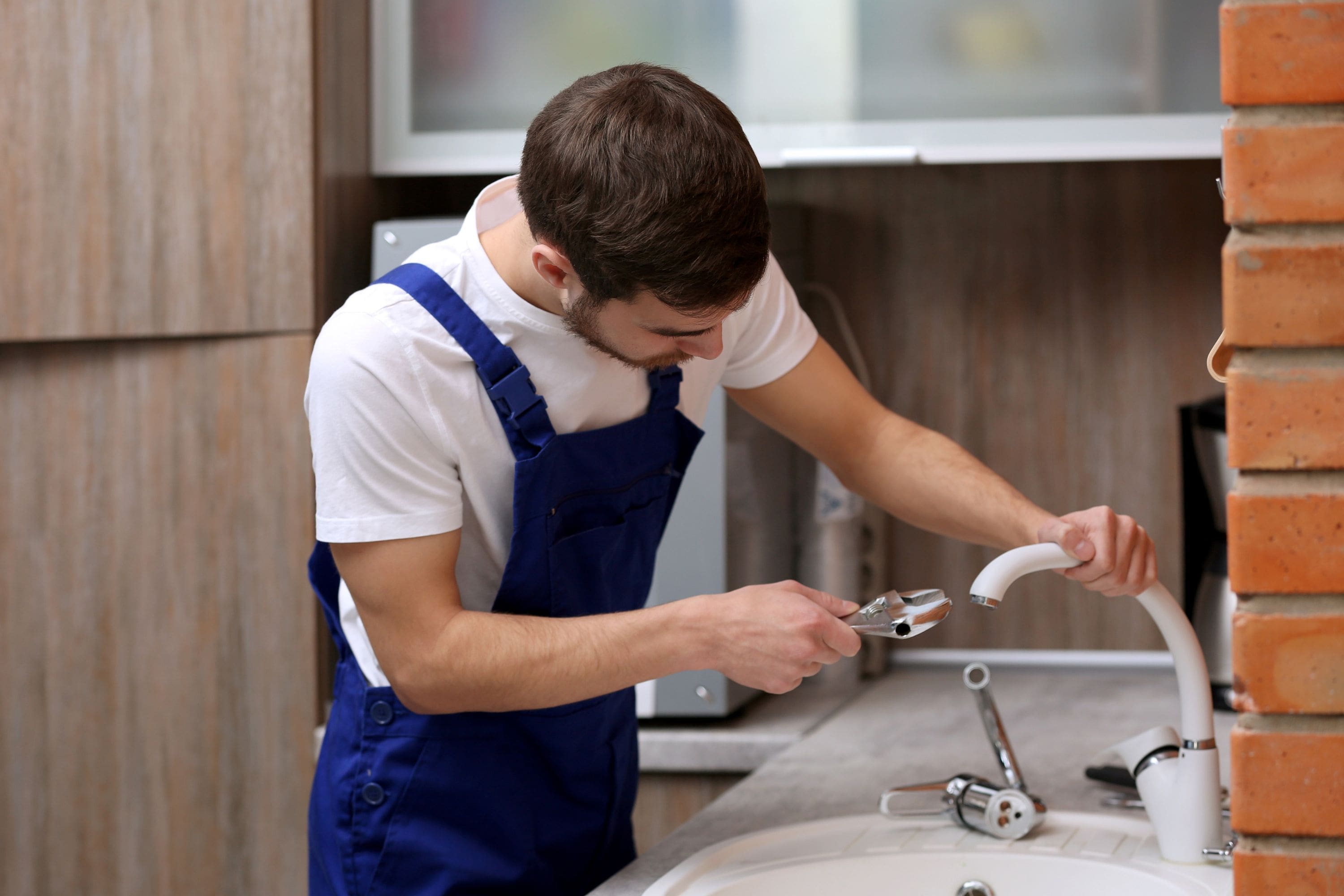
Leaking taps could feel like a small inconvenience, but their effect exceeds simply the annoyance of the sound. From drainage to sustaining unneeded economic prices and health and wellness dangers, neglecting a leaking faucet can lead to numerous repercussions. In this article, we'll delve into why it's crucial to resolve this typical home concern immediately and efficiently.
Wastage of Water
Ecological Effect
Dripping faucets add substantially to water wastage. According to the Epa (EPA), a single faucet dripping at one drip per secondly can waste greater than 3,000 gallons of water per year. This not just strains water resources yet also impacts ecological communities and wildlife based on them.
Financial Prices
Increased Water Expenses
Beyond the environmental effect, leaking taps can blow up water bills considerably. The accumulated wastage in time translates into higher energy expenses, which can have been avoided with prompt repairs.
Possible Residential Or Commercial Property Damage
In addition, prolonged trickling can lead to damage to fixtures and surfaces surrounding the faucet. Water buildup can trigger staining, rust, and also structural issues if left neglected, causing added repair service expenses.
Wellness Problems
Mold and Mold Growth
The constant presence of dampness from a dripping tap develops a perfect environment for mold and mildew and mold growth. These fungi not only jeopardize indoor air top quality yet additionally present wellness risks, specifically for people with respiratory conditions or allergies.
Waterborne Illness
Stationary water in leaking faucets can end up being a breeding place for germs and various other virus, raising the threat of waterborne conditions. Impurities such as Legionella germs flourish in stationary water, possibly causing serious health problems when consumed or inhaled.
Do it yourself vs. Expert Repair work
Pros and Cons of DIY Repair Work
While some might attempt to deal with a dripping tap themselves, DIY repairs include their own collection of obstacles. Without proper understanding and tools, DIY efforts can intensify the issue or result in insufficient repairs, extending the issue.
Advantages of Employing a Specialist Plumber
Working with a professional plumber guarantees that the underlying root cause of the dripping faucet is dealt with successfully. Plumbers possess the knowledge and devices to identify and fix faucet problems efficiently, saving time and minimizing the risk of more damages.
Step-by-Step Guide to Repairing a Dripping Faucet
Devices Needed
Prior to attempting to deal with a leaking tap, collect the essential devices, consisting of a flexible wrench, screwdrivers, replacement parts (such as washers or cartridges), and plumber's tape.
Common Tap Issues and Their Solutions
Identify the sort of tap and the particular issue causing the drip. Usual issues include damaged washers, corroded shutoff seats, or malfunctioning O-rings. Describe producer guidelines or on the internet tutorials for step-by-step advice on repair services.
Preventive Measures
Routine Maintenance Tips
To stop trickling taps, perform regular maintenance such as cleaning up aerators, inspecting for leaks, and replacing damaged parts without delay. In addition, take into consideration setting up water-saving devices or upgrading to a lot more reliable components.
Relevance of Prompt Services
Attending to trickling taps as quickly as they're noticed stops further water wastefulness and potential damages, ultimately conserving both water and money over time.
Effect On Home Worth
Understanding of Well-Maintained Property
Keeping a residential property in good condition, including dealing with upkeep problems like trickling taps, improves its regarded worth and charm amongst prospective customers or tenants.
Impact on Resale Worth
Properties with well-maintained plumbing fixtures, consisting of taps, command higher resale values in the property market. Resolving trickling faucets can contribute to a positive perception during building inspections and arrangements.
Ecological Responsibility
Private Payment to Preservation
Taking responsibility for taking care of dripping faucets lines up with wider efforts towards water conservation and environmental sustainability. Every person's activities collectively make a significant influence on preserving priceless resources.
Lasting Living Practices
By prioritizing timely repair work and adopting water-saving behaviors, individuals add to sustainable living methods that benefit both existing and future generations.
Verdict
Attending to a trickling tap exceeds mere benefit; it's a vital action towards preserving water, reducing economic expenses, and securing wellness and property. Whether via do it yourself fixings or specialist aid, acting to repair dripping taps is a small yet impactful method to advertise liable stewardship of sources and contribute to a healthier, a lot more sustainable future.
How to Change Tap Washer- Simple Steps for Fixing a Dripping Faucet
Fed up with the incessant drip-drip sound from your tap? Don’t fret! The solution is here. This article presents a step-by-step walkthrough to replace a tap washer and put an end to that irksome dripping. Crafted for DIY enthusiasts seeking a swift and efficient fix, this comprehensive guide ensures you’re covered. Let’s dive in and tackle this issue head-on!
To kick things off, gather the necessary tools and materials for the job. Grab your adjustable wrench, a screwdriver (flathead or Phillips), a fresh tap washer, a replacement O-ring (if needed), plumber’s tape, and a cleaning cloth. These components are vital for a successful tap washer replacement.
Why Change Tap Washer: Reasons for Fixing a Dripping Faucet
A dripping faucet is not just an annoyance; it can also lead to wasted water, higher utility bills, and potential damage to your fixtures. To address this common plumbing issue, changing the tap washer is often the solution. Let’s explore the reasons why you should consider changing the tap washer and the benefits it brings.
Eliminate the Annoying Drip
The primary reason to change a tap washer is to put an end to that irritating drip sound. The constant drip-drip can be a source of frustration and disturb your peace at home. By replacing the tap washer, you can restore tranquillity and enjoy a quiet, peaceful environment.
Save Water and Money
A dripping faucet has the potential to squander a considerable volume of water over time. As per the Environmental Protection Agency (EPA), a solitary faucet that drips at a pace of one drop per second could lead to the wastage of up to 3,000 gallons (11,356 litres) of water annually. By replacing the tap washer and rectifying the drip, you contribute to water conservation and a reduction in your water bill.
Prevent Water Damage
Persistent dripping can lead to water damage in your fixtures and surrounding areas. The constant moisture can cause discoloration, staining, and even structural issues over time. By addressing the drip promptly and changing the tap washer, you can prevent potential water damage and avoid costly repairs or replacements in the future.
Extend the Lifespan of Your Faucet
A worn-out tap washer can put additional strain on the other components of your faucet, leading to premature wear and tear. By replacing the tap washer, you ensure that the faucet operates smoothly and efficiently. This helps extend its lifespan, saving you from the hassle and expense of replacing the entire fixture.
Promote Environmental Sustainability
Conserving water is not only beneficial for your wallet but also for the environment. Every drop of water saved contributes to the conservation of this precious resource. By changing the tap washer and fixing leaks, you play a role in promoting environmental sustainability and reducing water waste.
Step 1- Turn Off the Water Supply Before diving into the repair, locate the main water supply valve and turn it off. This important step ensures that no water flows to the tap while you work on it. By shutting off the water supply, you create a safe and controlled environment for the repair. Step 2- Prepare the Work Area To avoid any mishaps, it’s essential to prepare the work area. Place a plug in the sink’s drain or cover it with a cloth to prevent small parts from accidentally falling in. This precautionary measure will save you from the frustration of fishing out lost screws or washers. Step 3- Remove the Tap Handle Using a screwdriver, gently remove the tap handle. Look for a screw beneath the cap or cover, and unscrew it to detach the handle. In some cases, you may need to pull the handle directly. Set the handle aside in a safe place to avoid misplacing any components. Step 4- Expose the Tap Spindle With the handle removed, you’ll see the tap spindle. To expose the tap assembly, use an adjustable wrench to turn the spindle counterclockwise. Be careful to support the rest of the tap to prevent any strain on the connections. Step 5- Remove the Old Tap Washer Inspect the tap assembly and locate the old tap washer, usually positioned at the base. Depending on the design, you may need to unscrew a retaining nut or remove a screw to release the washer. Take your time and remove the old washer carefully. Dispose of it properly. Step 6- Inspect the Tap Seat Before installing the new tap washer, it’s crucial to inspect the tap seat. This is the surface against which the washer will sit. Look for any signs of damage, such as pitting or corrosion. If you notice any issues, consider using a reseating tool to restore the smoothness of the seat. If in doubt, consult a professional plumber for guidance. Step 7- Install the New Tap Washer Place the new tap washer in the same position as the old one. Ensure it fits snugly and aligns correctly. Refer to the manufacturer’s instructions if necessary, as some tap washers may have specific installation requirements. Securely reassemble any retaining nuts or screws, being careful not to over-tighten them. Step 8- Reassemble and Test Carefully reassemble the tap in the reverse order, making sure all components are tightened properly. Attach the tap handle securely, aligning it with the spindle. Once everything is reassembled, turn on the water supply and test the tap for any leaks. If all is well, congratulations! You’ve successfully changed the tap washer and fixed that pesky drip. Essential Do’s and Don’ts for Changing a Tap Washer
If you’re someone who enjoys handling household repairs and is seeking a quick solution to fix a dripping faucet, changing a tap washer might just be the answer. However, to ensure a successful outcome and avoid potential pitfalls, it’s essential to follow some important do’s and don’ts. By adhering to these guidelines, you’ll be well-equipped to tackle the task effectively and achieve a satisfying result. Let’s explore the common do’s and don’ts for changing a tap washer.
Use the Right Tools and Materials
Securing the right tools and materials is essential for a seamless and trouble-free tap washer replacement. Make sure to have an adjustable wrench, an appropriate screwdriver (flathead or Phillips), a fresh tap washer, a potential replacement O-ring, plumber’s tape, and a cleaning cloth on hand. Utilising correct tools and compatible tap washers streamlines the process, ensuring a proper fit and ultimately leading to a more effective resolution.
Turn off the Water Supply Before Starting
Before embarking on any work, it’s imperative to shut off the water supply to the tap you’re going to work on. This precautionary step prevents any accidents or potential water damage. Locate the shut-off valve under the sink or near the water metre and ensure it is firmly closed. By cutting off the water supply, you create a safe environment to proceed with the tap washer replacement.
Follow the Manufacturer’s Instructions, if Available
If your tap includes detailed instructions from the manufacturer, it’s strongly recommended to adhere to them meticulously. Manufacturers often offer valuable insights and tailored step-by-step directions for their products. By following these instructions, you can ensure the accurate completion of the replacement process and attain the best possible outcomes.
I'm certainly very interested by What Causes Leaky Faucets & How To Fix Them and I'm hoping you enjoyed reading the new article. Liked our write-up? Please quickly share it. Help other people find it. Thanks a lot for going through it.